
RICHES™ is an interdisciplinary digital project that partners with multiple academic units at the University of Central Florida, six other Florida universities, and commercial and nonprofit sectors of the community. The project has two goals: 1) to serve as a model for documenting regional history, especially “hidden” history and culture, through an interactive database that draws from multiple repositories and personal collections, and 2) to develop new digital tools for historians.
The RICHES projects serve four audiences, general users interested in the region; scholars conducting research in cultural, social, diversity, economic, political, and environmental history; urban planners seeking to understand regional development and; K-12 students studying a variety of topics ranging from art to economics and history. By facilitating research that records and presents the stories of communities, businesses, and institutions in Florida, RICHES seeks to provide the region with a deeper sense of its heritage. To learn more about the project, read this letter from our director.

The RICHES Archive: Collections, Exhibits, and Oral Histories
RICHES collects and organizes materials received from our partners across the state and country; many of these materials are made available through our primary digital archive space in Omeka. Within Omeka, collections and exhibits organize archived materials into specific project groupings, while oral histories are typically hosted on the project’s Youtube page and shared elsewhere.
Collections
Curated digital collections provide public access to historical photographs, documents, artifacts, oral histories, and other primary source materials that document Florida’s history. Built using the Omeka digital collections platform, these collections make archival resources searchable and accessible for researchers, educators, students, and the public while ensuring their long-term preservation.
Exhibits
Exhibits are curated digital presentations that bring together materials from the RICHES collections to explore specific people, places, events, and themes from Central Florida’s history. By combining photographs, documents, oral histories, and interpretive text, these exhibits provide historical context and create engaging learning experiences for researchers, educators, students, and the broader community. RICHES has two types of exhibits: smaller Omeka exhibits based in the database and larger interactive exhibits in their own digital space called Bending Toward Justice.
Oral Histories
Oral histories are recorded interviews conducted by team members, students, and volunteers to preserve the firsthand memories and perspectives of individuals connected to the community. These interviews document personal experiences, local traditions, and significant events, creating valuable primary sources that support research, education, and a deeper understanding of the region’s past. The RICHES team collects oral histories individually and also at history harvest events.
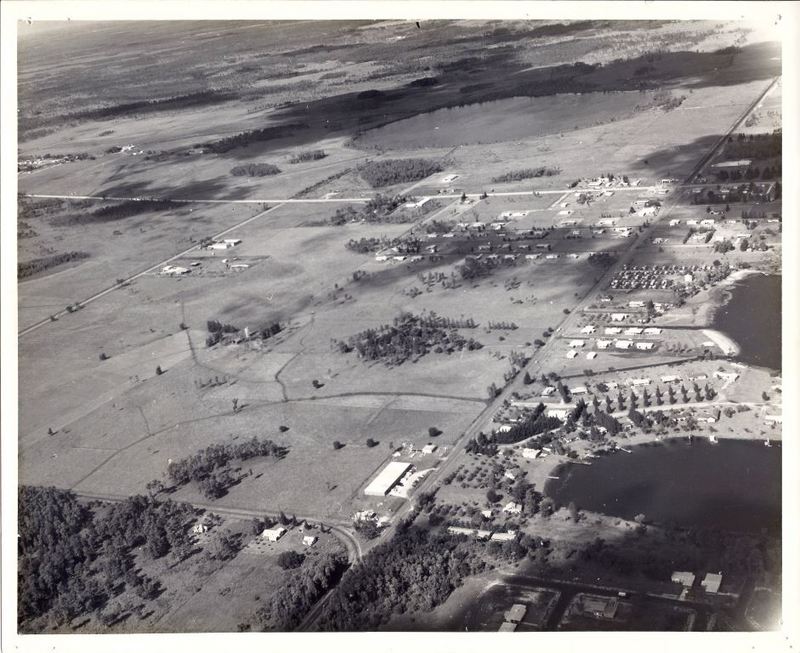
New Exhibit: The Transition from Tranquil Town to Technology Titan: Orlando in the 1950s and 1960s
https://richesmi.cah.ucf.edu/omeka/exhibits/show/tranquiltotech For much of the 18th and 19th centuries, Florida remained a relatively undeveloped state on the eastern coast of the United States. Orlando itself was home predominantly to wealthy seasonal residents and a small, local population. However, at the end of World War II and during the onset of the Cold War in the…
July 31, 2026

New Exhibit: Development, Involvement, and Philanthropy: Greek Life at UCF
https://richesmi.cah.ucf.edu/omeka/exhibits/show/greek_life Almost immediately upon its inception as an open and functional university in 1968, Florida Technical University (FTU) saw the emergence of social groups and organizations which added to the sparse and desolate landscape characteristic of all new institutions. Within these organizations, Greek life emerged, with the inception of various fraternity and sorority groups. By…
July 9, 2026

New Exhibit: Theater: From Tragic FTU to Broadway UCF
https://richesmi.cah.ucf.edu/omeka/exhibits/show/theater This exhibit explores how and why UCF’s Theater Department arrived at its current standing. From the theater’s first play in 1969 to the 1990’s production involvement, funding, academics, and resources improved because of increased university majors and interest.
June 29, 2026

New Collection: Halifax Historical Museum
RICHES is pleased to announce the addition of the Halifax Historical Museum Collection to our digital archive! Explore the collection here:https://richesmi.cah.ucf.edu/omeka/collections/show/235 The Halifax Historical Museum Collection contains digitized historical materials documenting Daytona Beach and the surrounding Halifax area in Volusia County, Florida. Materials include historic maps, plats, plans, blueprints and other records documenting the development…
October 20, 2026

New Additions to the Jesse Cutler Collection
https://richesmi.cah.ucf.edu/omeka/collections/show/227 RICHES is excited to share new additions to the Jesse Cutler Collection, documenting the career of musician, songwriter and producer Jesse Cutler from his early performances in New York to his years in the Los Angeles music scene. These newly added materials include photographs, newspaper and magazine clippings, and music industry coverage spanning the…
October 15, 2026
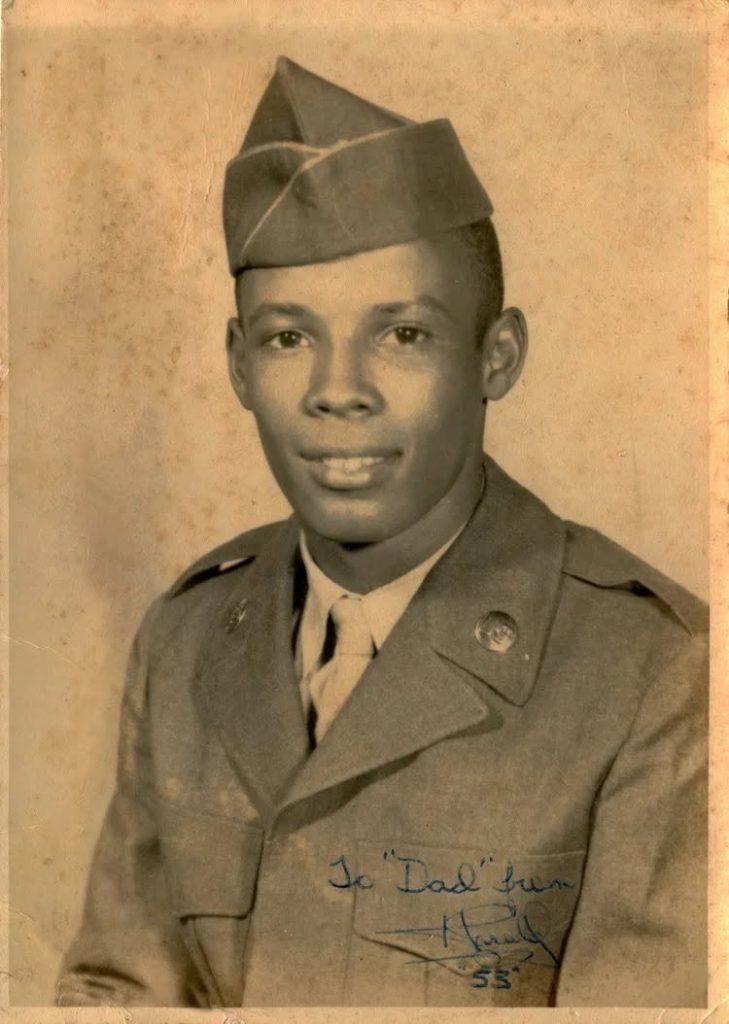
New Collection: Harold V. Lucas, Jr. Legacy Project
https://richesmi.cah.ucf.edu/omeka/collections/show/236 The Harold V. Lucas, Jr. Legacy Project Collection documents the life, family, and legacy of Harold V. Lucas, Jr. of Daytona Beach, Florida. The collection includes photographs, audiovisual materials, oral histories, and other historical materials relating to Lucas, his family, education, athletics, military service, community involvement, and longstanding connections to Bethune-Cookman University and the…
October 5, 2026
Oral History of Octavius Clark
An oral history of Octavius Clark. The interview was conducted at the Booker Town Community Center in the Booker Town neighborhood of Sanford, Florida, on May 16, 2026.
June 8, 2026
Oral History of Reginald Campbell
An oral history of Reginald Campbell. The interview was conducted at the Booker Town Community Center in the Booker Town neighborhood of Sanford, Florida, on May 16, 2026.
June 8, 2026
Oral History of Eunice Brown
An oral history of Eunice Brown. The interview was conducted at the Booker Town Community Center in the Booker Town neighborhood of Sanford, Florida, on May 6, 2026.
June 8, 2026
RICHES in the Community
As a public-facing research project, RICHES operates through community partnerships with local museums and historical societies to preserve collections through digitization and make local history accessible without paywalls or other barriers. Processed archival collections, family collections, and materials obtained through History Harvests can be found in the RICHES digital archive. Institutional and individual contributors learn about RICHES through social media and news outlets.
- Events
- History Harvests history harvests
The RICHES Team and Contributors
RICHES operates with a permanent staff of Director, Dr. Connie L. Lester, Archivist, Geoffrey Cravero, and Programmer, Dr. Kirk Lundblade. In addition, Dr. Paul Weigand, Winthrop College professor of Computer Science and Jessie Oldham, Department of History Education Director, meet weekly with the team to provide digital expertise and plan upcoming events. RICHES works closely with the UCF Center for Humanities and Digital Research, the College of Arts & Humanities Technology Team, and the College of Engineering and Computer Science Server Room.
Projects
The projects featured here represent the many ways RICHES has contributed to preserving and sharing the diverse histories of Florida. Some were developed and led by RICHES, while others were created in collaboration with community partners, scholars, students, and cultural organizations. In other cases, RICHES provided assistance or serves as a digital home for projects and materials developed independently. Together, these initiatives reflect a broad network of historical research, community engagement, and preservation dedicated to making Florida’s history accessible to the public.
Future RICHES
Plans for the future include the creation of new exhibits for Bending Toward Justice, the development of digital tools to improve the processing of metadata and transcriptions to reduce the time from collection to public availability, and enhancement of digital archiving education for students in public history.
If you’re interested in working towards some future RICHES, contact us. If you’d like to donate and support our work, you can donate to RICHES through the UCF Foundation.